Storm damage? Our storm line answers 24 hours a day. Free inspections, no obligation.

Atlanta roof insurance claim guide

Roof Damage Insurance Claims: A Homeowner’s Guide

Roof damage can be stressful, and the insurance process is not always easy to understand. Learn the general steps involved, what information to document, and how a professional roof inspection can help clarify the condition of your property.

No obligationThorough roof evaluationClear photo documentation

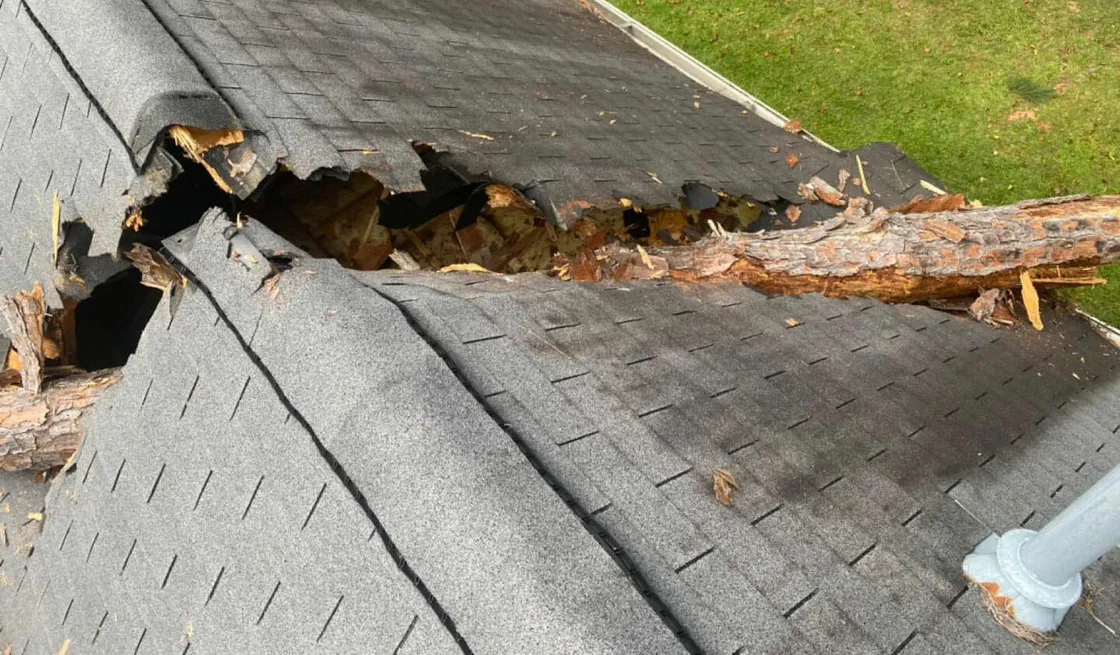
Shingle roof broken open by a fallen tree limb

Start here

  1. Protect the property if safe
  2. Document visible conditions
  3. Arrange a roof inspection

Safety first: Do not climb onto a storm-damaged roof.

What homeowners should know

  • Coverage depends on the individual policy, property, and circumstances.
  • Visible storm damage may not reveal the full condition of the roofing system.
  • Save dates, photos, receipts, and communications in one place.
  • Take reasonable temporary steps to prevent additional damage when safe.
  • A contractor can document conditions and prepare a construction scope.
  • The insurer determines coverage and payment; no contractor should guarantee approval.

Next step

Have your roof documented

Get clear photos and a construction-focused explanation of observed conditions.

Start with the roof condition—not assumptions about coverage

After a storm or leak, separate the construction questions from the insurance questions. A qualified roofer can assess visible conditions and explain practical repair options. Your carrier or licensed agent explains how your policy applies.

Good documentation helps every party work from clear information. Record what you know, avoid guessing, and keep important records together.

A general roadmap

How the roof insurance claim process generally works

Procedures vary by carrier, policy, property, and circumstances. These steps are educational—not policy advice.

  1. Homeowner

    Protect people and the property

    Avoid climbing onto the roof. When safe, use reasonable temporary measures to limit additional interior damage.

  2. Homeowner

    Record what happened

    Note the approximate date and time, weather or incident, visible exterior conditions, leaks, stains, photos, and videos. Do not guess about the cause or date.

  3. Homeowner

    Review the policy and contact the insurer

    Ask your carrier or licensed agent about coverage, deductibles, deadlines, exclusions, and filing requirements.

  4. Hero Roofing

    Schedule a professional roof inspection

    We can evaluate accessible roofing and exterior components, photograph observed conditions, and discuss potential construction needs.

  5. Insurance carrier

    Insurance evaluation

    The insurer may assign an adjuster to evaluate the property and determine how the policy applies.

  6. Hero Roofing

    Review the scopes

    We can clarify our recommendations, measurements, components, and installation requirements. This is construction guidance—not negotiation of policy benefits.

  7. Homeowner

    Authorize the work

    Review the proposed work, contract, materials, schedule, and financial responsibilities before construction begins.

  8. Hero Roofing

    Complete the restoration

    Authorized work proceeds through construction, cleanup, walkthrough, warranty, and closeout documentation.

What we can—and cannot—do

What Hero Roofing can do

  • Inspect accessible roofing and exterior components
  • Photograph and document observed conditions
  • Explain repair or replacement recommendations from a construction perspective
  • Prepare a roof repair or replacement proposal
  • Explain materials, installation requirements, and warranty options
  • Answer questions about our construction scope
  • Provide documentation related to our inspection and proposed work
  • Complete authorized repairs or replacement

What we cannot do

  • Determine whether a loss is covered by a policy
  • Interpret policy language for a homeowner
  • Act as a public adjuster or negotiate claim benefits
  • Represent a homeowner in a coverage dispute
  • Provide legal advice
  • Guarantee claim approval, payment amount, or timing
  • Tell anyone to misrepresent damage, dates, or circumstances

Professional evaluation

What a professional roof inspection can document

An inspection records observed conditions. It does not decide whether a policy covers them.

  • Shingle condition
  • Missing, lifted, cracked, or creased materials
  • Impact marks or surface changes
  • Flashing and penetrations
  • Ridge, hip, and edge components
  • Gutters and downspouts
  • Relevant siding and accessories
  • Visible interior water signs
  • Approximate measurements
  • Repairability, age, and general condition
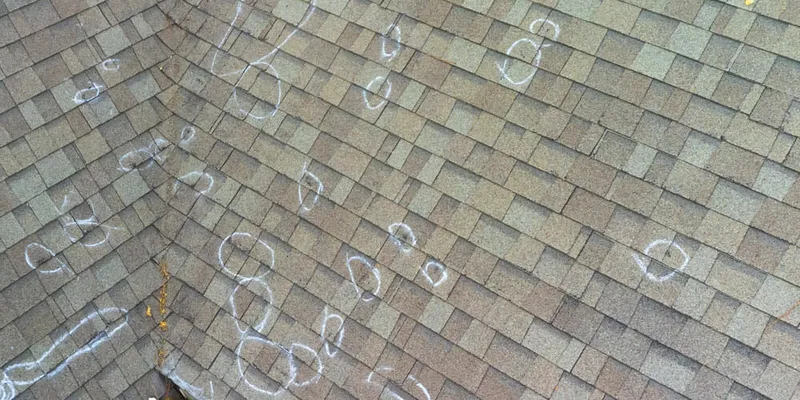
Roofer documenting hail damage on shingles
Safe access and careful documentation help establish a clear record of roof conditions.

Information to keep organized

Use this as a print-friendly reference. Checklist selections are not saved.

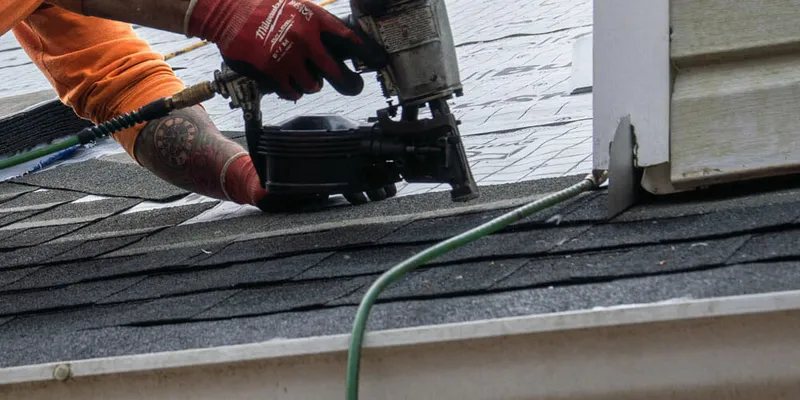
Roofer working on a residential roof
Organized measurements, photographs, and notes create a clearer record of observed conditions.

Practical precautions

Common mistakes to avoid after possible roof damage

Putting safety second

Never climb onto a wet, steep, or storm-damaged roof.

Waiting on a small leak

A minor leak can migrate beyond the first visible stain.

Losing documentation

Keep damaged materials, receipts, photos, and temporary-protection records when practical.

Expecting guarantees

A contractor cannot guarantee insurance approval or payment.

Signing an unclear contract

Understand the scope, exclusions, price, change-order process, and cancellation terms.

Confusing two documents

An insurance estimate is not automatically a final construction contract.

Choosing only on price

Compare materials, supervision, protection, cleanup, and warranty details.

Providing inaccurate information

Be precise and honest about when and how conditions were discovered.

Missing deadlines

Ask the carrier or licensed agent about policy-specific notice and filing requirements.

Questions to ask before hiring a roofing contractor

  • Are you properly insured for roofing work?
  • Who will perform and supervise the project?
  • What roofing system and materials are included—and excluded?
  • How will decking or hidden conditions be handled?
  • What manufacturer and workmanship warranties apply?
  • How are change orders approved?
  • How will landscaping and the property be protected?
  • What is the cleanup and final-inspection process?
  • Who is my contact during construction?
  • Will I receive final documentation?

Straight answers

Frequently asked questions

Should I call a roofer or my insurance company first?

Should I call a roofer or my insurance company first?

If there is an active safety issue or leak, protect people and the property first. A roof inspection can clarify observed conditions, while your carrier or licensed agent should answer policy and reporting questions.

What does a roof inspection include?

What does a roof inspection include?

It may include accessible shingles, flashing, penetrations, edges, gutters, exterior accessories, visible interior moisture signs, measurements, and repairability considerations.

Does visible roof damage always require replacement?

Does visible roof damage always require replacement?

No. The extent, location, material condition, compatibility, and installation requirements all affect whether repair or replacement is recommended.

What if the insurance estimate and contractor proposal are different?

What if the insurance estimate and contractor proposal are different?

The documents serve different purposes and may organize labor, materials, and quantities differently. We can explain our proposal; coverage questions belong with the carrier or licensed agent.

What is the difference between ACV and RCV?

What is the difference between ACV and RCV?

ACV may account for depreciation. RCV relates to replacement with comparable materials, subject to policy terms. Ask your carrier how each applies to your claim.

Can Hero Roofing meet an insurance adjuster at the property?

Can Hero Roofing meet an insurance adjuster at the property?

Scheduling permitting, we may be present to answer factual questions about our inspection and construction scope. We do not represent the homeowner or negotiate policy benefits.

What should I do if water is entering my home?

What should I do if water is entering my home?

Keep clear of electrical hazards and unsafe areas, contain water when safe, photograph conditions, and seek qualified emergency help. Do not climb onto the roof.

What if my roof claim is denied?

What if my roof claim is denied?

Ask the carrier for a clear explanation and review your policy and documents. For independent claims or legal guidance, contact an appropriately licensed public adjuster or attorney.

After the storm,
in their words.

“Nick and his team were great! I had them do my gutters and my parent's roof and gutters and I am very pleased with all of their work! They helped my parents with the insurance claim and made the entire process smooth. I highly recommend Hero Roofing to anyone who needs either of these services.”

Marleigh F.

Gutters · Roof · Insurance claim

“My grandmother called Hero roofing out to her home because she had storm damage. We are thankful they sent Brandon out. He spent a lot of time explaining what was going on with the roof. He then provided us with a quote. Brandon was down to earth and stood by his word. He provided us with the service he promised and made us extremely comfortable with the process until completion. I would highly recommend hero roofing and Brandon!!”

Chris N.

Storm damage

Next step

Schedule Your Roof Inspection

If your property may have storm damage, Hero Roofing can evaluate the roofing system, document visible conditions, and explain available construction options.

  • No obligation
  • Clear photo documentation
  • Local Atlanta-area service
Call Hero Roofing

Form placeholder

Multi-step form module

The form experience is being designed and reviewed in a separate design file.

Common terms you may encounter

These definitions are general educational summaries—not interpretations of any individual policy.

Deductible
The portion of a covered loss the policyholder is generally responsible for, subject to the policy’s terms.
Actual Cash Value (ACV)
A valuation that may account for age, condition, and depreciation. Exact calculation and application depend on the policy and insurer.
Replacement Cost Value (RCV)
A valuation associated with replacing damaged property using materials of comparable kind and quality, subject to policy terms and limits.
Depreciation
An amount associated with factors such as age, wear, or expected service life. Whether it is recoverable depends on the policy and claim.
Recoverable depreciation
Depreciation that may be released after qualifying work and required documentation, depending on the policy.
Scope of loss
A document identifying evaluated damage and estimated work or costs. It is not automatically the same as a contractor’s proposal.
Supplement
Additional construction information submitted for consideration when items, quantities, or conditions differ from an initial scope.
Exclusion
A policy provision identifying conditions, causes, or property that are not covered.
Endorsement
A document that modifies or adds to an insurance policy’s terms.
Matching
A coverage or regulatory issue involving replacement materials and visual consistency. Ask a carrier, licensed agent, or qualified professional how it applies.
Code upgrade
Work required by current building codes. Whether insurance pays for it depends on the policy and circumstances.
Different purposes

Why a contractor’s proposal may look different from an insurance scope

A difference between documents does not automatically indicate an error or coverage obligation.

Construction document

Contractor proposal

  • Methods and material systems
  • Quantities and measurements
  • Labor and installation
  • Manufacturer requirements
  • Code considerations
  • Site logistics and warranty eligibility
  • Contract terms
Carrier document

Insurance scope

  • Evaluation of the reported loss
  • Items covered as determined by the insurer
  • Carrier pricing methodology
  • Deductible and depreciation calculations
  • Policy-related limits or conditions

Roof concerns across metro Atlanta

Atlanta-area roofing systems may face severe thunderstorms, hail, high winds, wind-driven rain, falling limbs, and repeated heat exposure. The exact condition still requires a property-specific evaluation.

Hero Roofing serves the metro area from Newnan and Alpharetta.

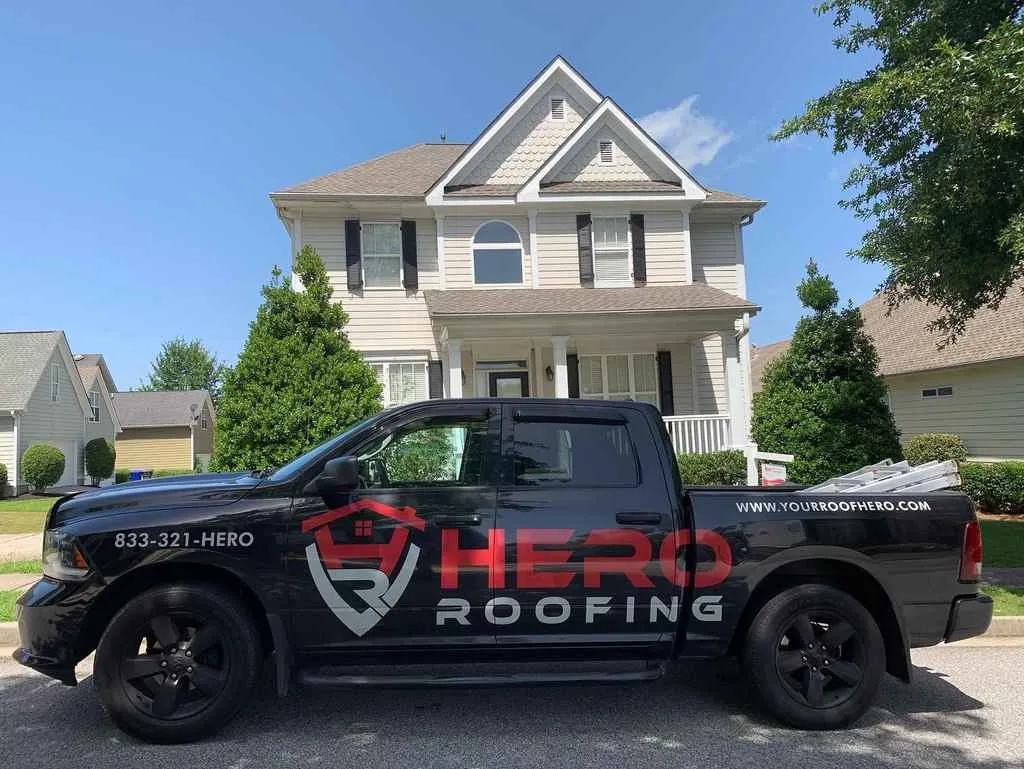
Hero Roofing truck parked outside a two-story home with a shingle roof
Tree cover, wind, rain, heat, and seasonal storms can all affect Atlanta-area roofing systems.